Meet the Birds
Name That Song
Think you know your birds by ear? We will play a real bird song, and you pick which bird sang it. Ten songs — how many can you name?
Bird Basics: A Yard Full of Clues
Birds are the easiest wild animals to watch, because they live right outside the window and sing about it. Every bird in this guide is a real backyard regular somewhere in the United States or Canada. Learn the clues below, and your own yard will never sound the same again.
How to Use This Guide
Tap any photo to open that bird's profile: its size, habitat, food, fun fact, and how to spot it. Tap Hear It! to play its real song or call, recorded in the wild.
When you see or hear a bird for real, tap Spotted it! Hearing counts! Many birds, like the Wood Thrush, are heard a hundred times for every time they are seen. Your list is saved on this device only, just for you.
Listening Is the Best Tool
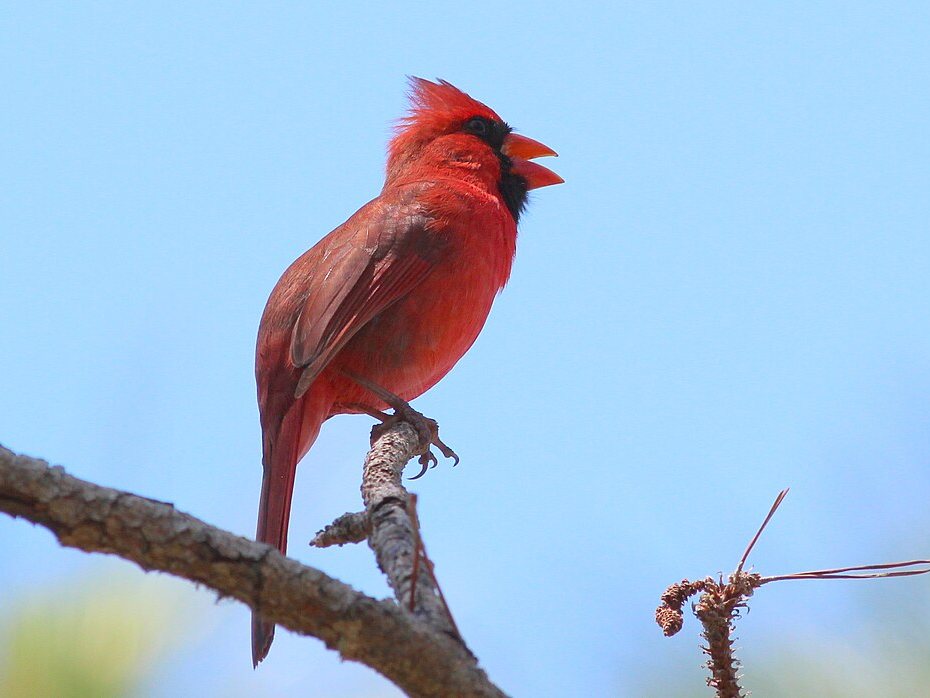
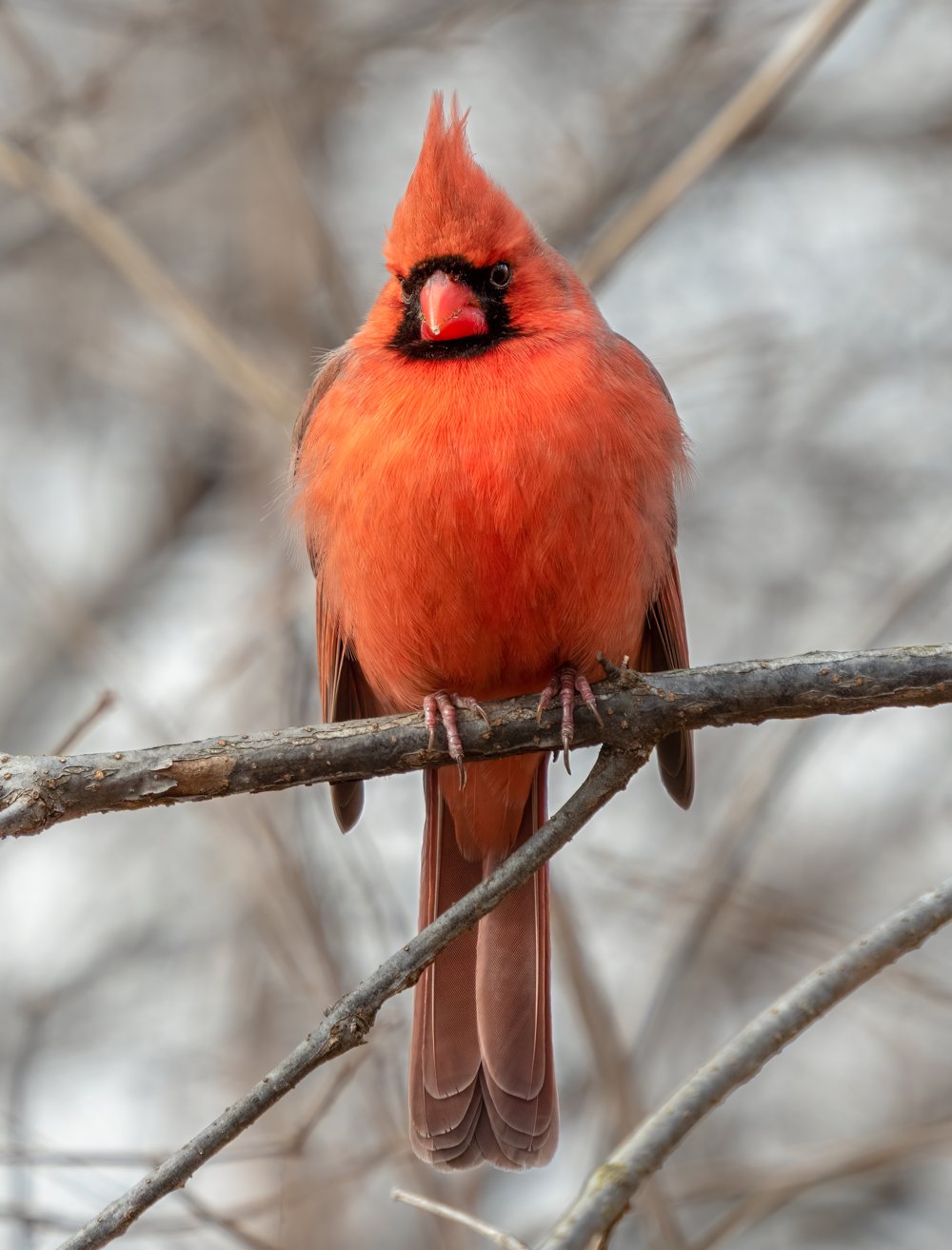
Songs are not just pretty. A singing bird is claiming a territory and calling to a mate, and each kind of bird sings its own song. Cardinals whistle cheer, cheer, cheer. Towhees sing drink your tea. Chickadees say their own name.
That is why so many cards in this guide have a Hear It button. Learn a song here, then stand quietly outside at dawn and try to match the singers, one voice at a time. Spring mornings are the loudest of all.
The Four Clues: Size, Shape, Color, Song
Size: Compare the bird to a sparrow, a robin, or a crow. Shape: Is the bill thick for cracking seeds, thin for catching bugs, or long for hammering trees?
Color: Look for the pattern, not just the color: wing bars, eye stripes, caps, and masks name more birds than anything else. Song: When two birds look alike, like the Downy and Hairy Woodpeckers, size and voice settle it.
Feeding Backyard Birds
Black oil sunflower seed is the one food almost every feeder bird loves. Nyjer seed draws goldfinches, suet draws woodpeckers, and orange halves and grape jelly draw orioles. Sugar water (one part sugar to four parts water, never honey and never red dye) feeds hummingbirds.
Place feeders near bushes so birds can dash for cover, and wash them every two weeks. A clean feeder is a kind feeder.
From Egg to Feather
A bird's first weeks are a race to grow feathers. Watch a nest box or a porch beam from spring into summer and you can follow the whole story.
Egg
A female lays eggs in a nest built for the job: a woven cup, a tree hole, or a mud shelf under the eaves.
Nestling
The chick hatches blind and nearly featherless. Both parents ferry food to the nest all day long.
Fledgling
Feathered but clumsy, the young bird leaves the nest and hops on the ground while its parents keep feeding it. Leave it be: this is normal.
Adult
By fall the young bird wears adult colors, finds its own food, and next spring may sing for a territory of its own.
Why Backyard Birds Matter
Birds are champion bug catchers: a single chickadee family can eat thousands of caterpillars in one nesting season. Birds also plant forests, like the Blue Jay burying acorns, and carry seeds across whole deserts, like the White-winged Dove planting saguaros. A yard full of birds is a yard that is working.
When and Where to Try
The best birding is in the first hours after sunrise, when songs pour out of every tree. Start with your own yard, a park, or a school garden. Sit still, let the birds forget you are there, and follow your ears. In winter, the feeder window is the best seat in the house.
Bird Sightings Map
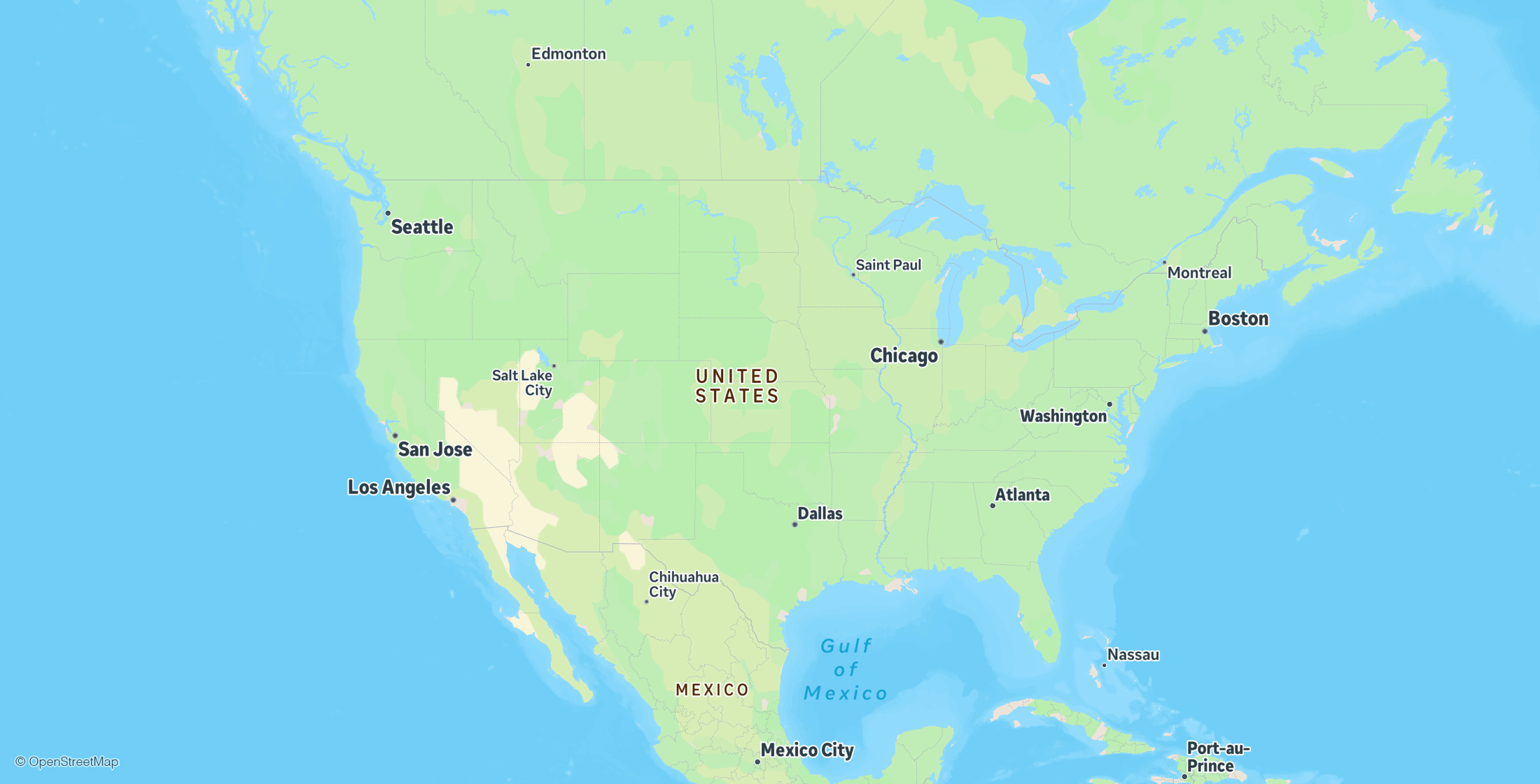
Bird watchers all over the United States and Canada are spotting birds: at feeders, on lawns, and in the trees over the sidewalk. Every pin on this map is a real sighting sent in by email: the bird that was seen or heard, a first name, the town and state, and the date it was spotted.
This shared map is different from your Spotted It! list on the cards above: that list stays on your device, just for you. A sighting only gets onto this map when a grown-up emails it to us, and we add the pin by hand. Heard a bird but never saw it? That still counts. With birds, a careful listen is a real sighting.
© OpenStreetMap contributors
No sightings pinned yet. Be the first! Ask a grown-up to email us a sighting using the Report a Sighting section below, and we will add your pin to the map by hand.
Look and Listen
Enjoy your bird from a friendly distance. Remember what it looked or sounded like, where you were, and the date.
Ask a Grown-Up to Email Us
A grown-up sends us the bird's name if you know it, your first name, your town and state, and the date you spotted it. The email button below is ready to go.
Watch for Your Pin
We read every email first, then add new pins to the map by hand, in batches, so your pin may take a little while to appear. Keep checking back!
First names and towns only: pins show a first name, a town and state, and a date, never a last name and never a home address.
Get the App
Put Backyard Birds of North America on your phone's home screen, and it works like an app, even out in the yard with no signal.
iPhone or iPad
1. Tap the Share button (the square with an arrow pointing up).
2. Tap Add to Home Screen.
3. Tap Add. The bird icon lands on your home screen.
Android
1. Tap the ⋯ menu.
2. Tap Install app or Add to Home screen.
3. Tap Install. The bird icon lands on your home screen.
Photo & Sound Credits
Every photo in this guide is freely licensed, shared by the photographers below through Wikimedia Commons. Every recording is freely licensed too, shared through iNaturalist by the recordists below. Thank you to every one of them. Tap a heading to open the full list.
Photo credits — all 100 photos
Sound credits — all 100 songs
Meet the Whole Family
Backyard Birds of North America is just one of our free field guides. Pick another wild family to explore!